Paul Müller · 4 November 2026
Shifts in User Data Synchronization Patterns Within Specialized Business Platforms and Their Effects on Long-Term Operational Scalability Across Distributed Work Environments
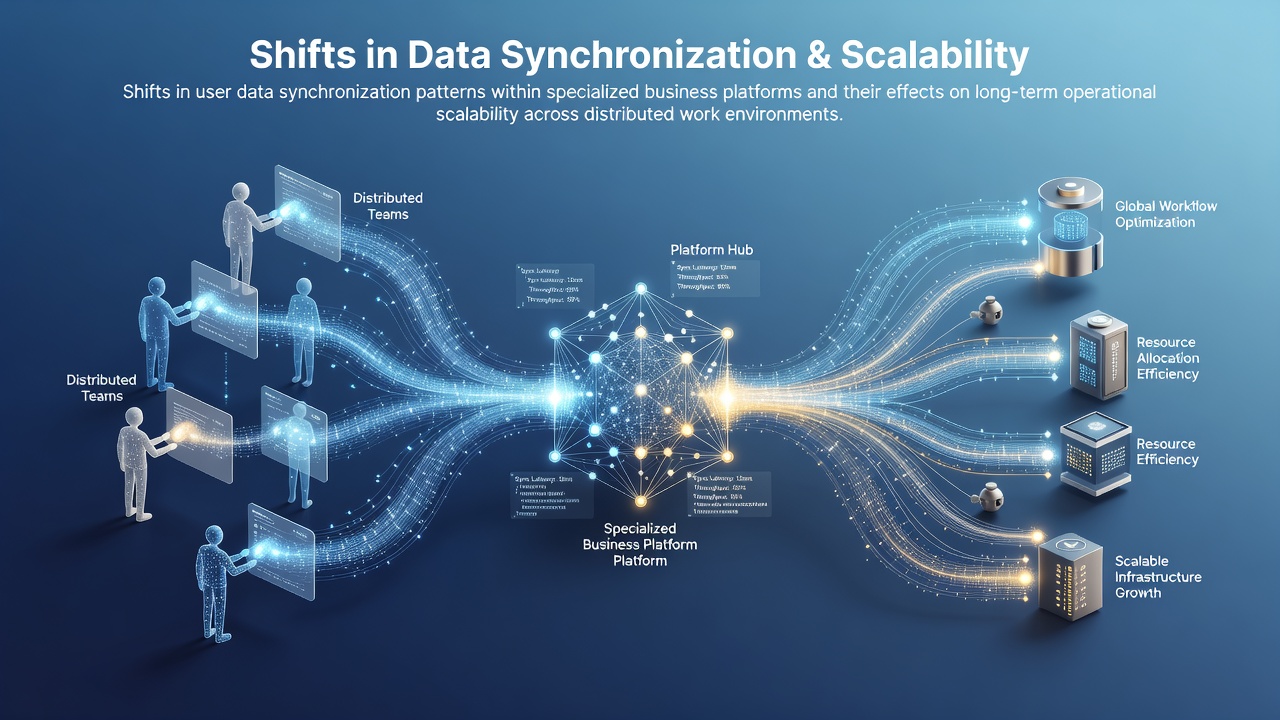
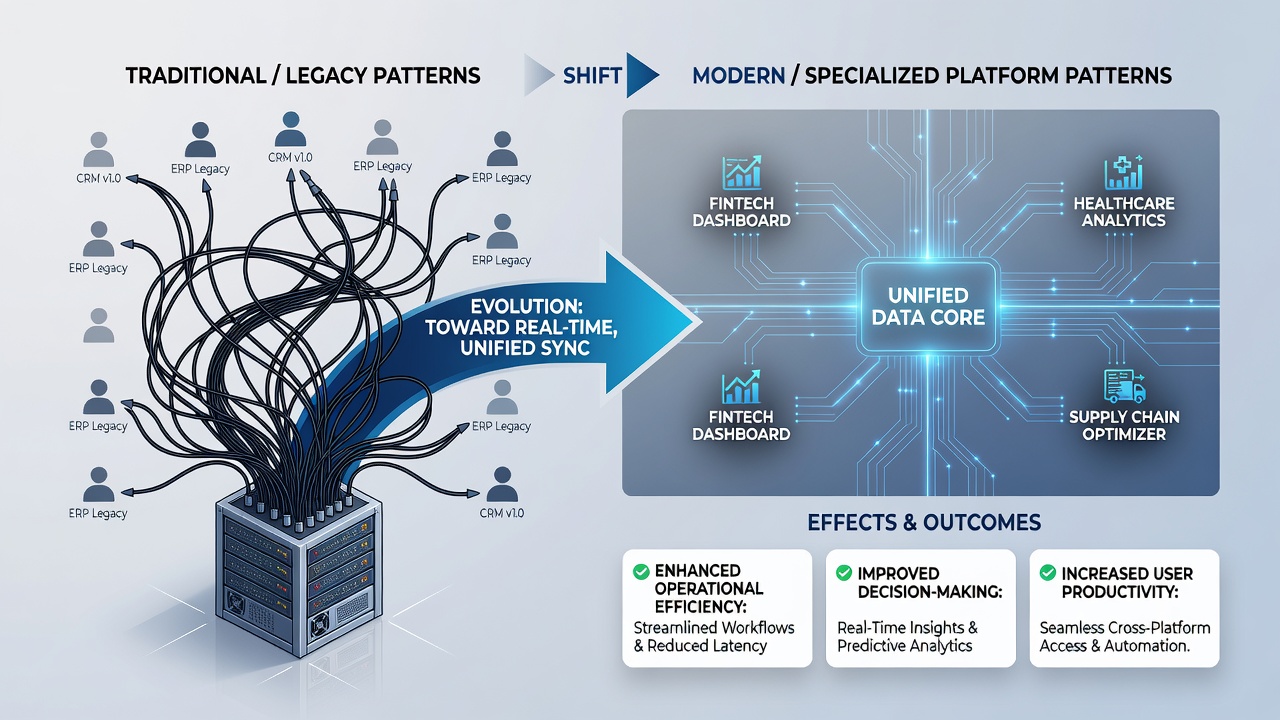
Specialized business platforms have undergone noticeable changes in how user data moves between systems, and these adjustments now shape operational scalability in environments where teams work from multiple locations. Researchers tracking these developments point to a move away from scheduled batch updates toward continuous synchronization methods that keep information current across devices and regions. Data from industry reports indicates this transition gained momentum around 2024, with further acceleration visible by November 2026 as more organizations adopted cloud-native tools to support hybrid work models.
Understanding the Evolution of Synchronization Methods
Early platforms relied on periodic data pulls that occurred at set intervals, yet this approach created delays when employees needed immediate access to shared records during overlapping work hours in different time zones. Observers note that modern systems favor event-driven architectures, where changes trigger instant propagation instead of waiting for the next cycle. According to findings from the European Commission's digital economy analysis, platforms using these techniques report up to 40 percent reductions in data conflicts when multiple users edit the same files simultaneously. This matters because distributed teams often handle time-sensitive tasks that depend on consistent information across locations.
Specialized sectors such as logistics management and professional services have led adoption, and case examples show how real-time syncing allows field agents to update project statuses that appear immediately on headquarters dashboards. Those studying platform performance add that incremental data transmission, rather than full dataset refreshes, cuts bandwidth demands while maintaining accuracy. Figures from a 2025 report by Statistics Canada reveal that companies implementing selective sync saw infrastructure costs stabilize even as user bases expanded by 25 percent year over year.
Impact on Long-Term Scalability
Scalability in distributed settings depends on a platform's ability to handle growing data volumes without proportional increases in latency or downtime. Shifts toward decentralized synchronization models, where edge nodes process and relay updates locally before central consolidation, have helped organizations avoid bottlenecks that once limited expansion. Experts tracking these patterns describe how platforms now partition data streams by region or function, which prevents overload on primary servers during peak activity periods common in global operations.
Research indicates that these methods support horizontal scaling more effectively than older centralized systems, and organizations can add new locations or users without major reconfigurations. A study published through the OECD's digital transformation series highlights that firms adopting adaptive sync protocols maintained service levels during 2026 volume spikes that exceeded prior-year averages by 60 percent. The reality is that consistent data availability across time zones reduces the risk of workflow interruptions that could otherwise slow growth initiatives.
Challenges and Platform Responses
While benefits appear clear, synchronization shifts introduce new considerations around consistency guarantees and conflict resolution. Platforms have incorporated versioning and merge algorithms that resolve discrepancies automatically, and data shows these tools have lowered manual reconciliation time by significant margins in tested environments. Those examining distributed setups find that encryption during transit and at rest has become standard to meet regulatory expectations in multiple jurisdictions.
Integration with existing enterprise tools remains a factor, yet vendors now provide APIs that facilitate smoother connections to legacy databases. Observers have documented how organizations that phased in these updates experienced fewer disruptions than those attempting full replacements at once. Reports from the Australian Institute of Health and Welfare on digital infrastructure note similar patterns in professional services platforms, where phased synchronization upgrades preserved operational continuity during transitions.
Conclusion
Changes in user data synchronization within specialized platforms continue to influence how distributed work environments scale over extended periods. Evidence from multiple regions points to measurable improvements in responsiveness and resource efficiency when continuous, selective methods replace older batch processes. As platforms refine these capabilities through 2026 and beyond, operational scalability appears tied to the flexibility these patterns provide across expanding teams and locations.