Paul Müller · 7 October 2026
How Adaptive Algorithms in Emerging Platforms Are Reshaping Data Flow Patterns Across Global Supply Networks
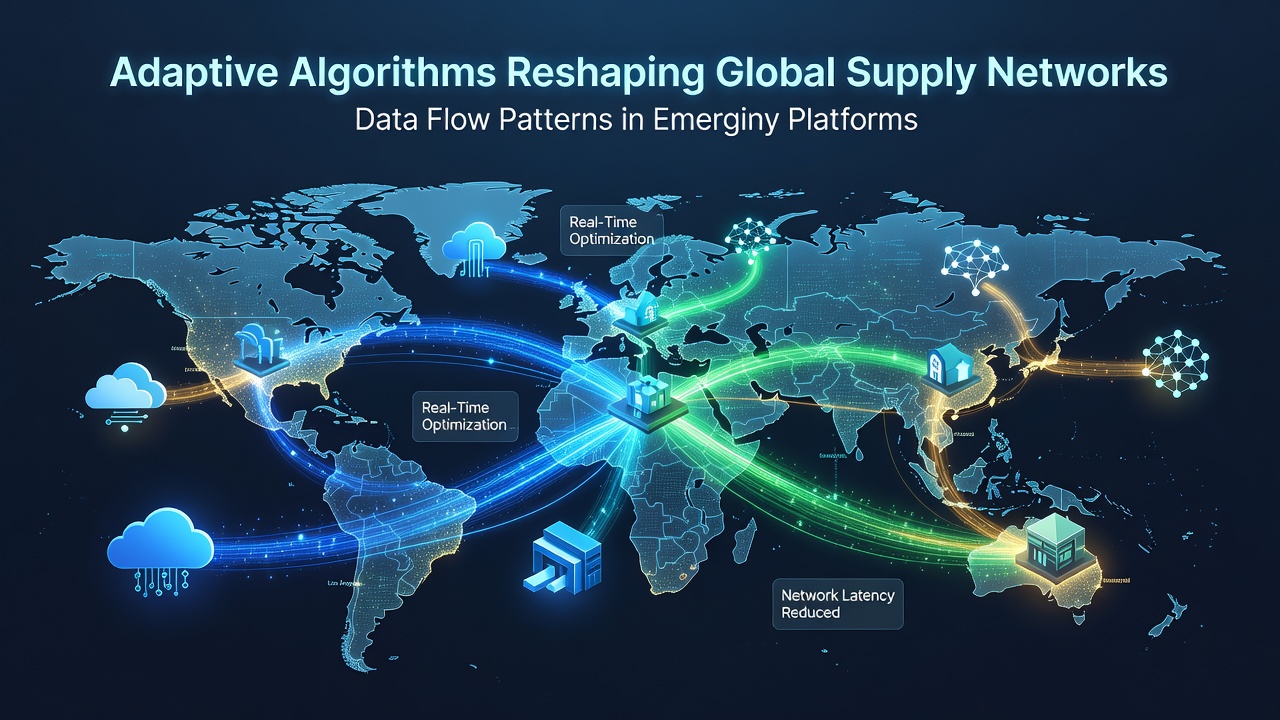
Adaptive algorithms now power many emerging digital platforms that manage logistics, inventory, and transportation across continents, and they continue to alter how information moves between suppliers, manufacturers, distributors, and retailers. These systems rely on machine learning models that adjust routing decisions, demand forecasts, and resource allocations based on incoming sensor data from IoT devices, satellite tracking, and warehouse management software. Research from institutions such as the MIT Center for Transportation and Logistics shows that such platforms reduced average lead times by up to 18 percent in monitored automotive and electronics networks between 2023 and 2025.
Data collection points have multiplied rapidly as companies integrate blockchain ledgers with predictive analytics engines, creating continuous feedback loops that replace the older batch-processing methods used in traditional enterprise resource planning systems. Observers note that real-time adjustments now occur at multiple stages simultaneously, allowing a delay at one port to trigger automatic rerouting suggestions for shipments originating on another continent within minutes rather than hours.
Core Mechanisms Driving Platform Evolution
Emerging platforms combine reinforcement learning with graph neural networks to map complex supplier relationships and identify bottlenecks before they affect downstream operations. These models process variables that include weather patterns, geopolitical events, fuel price fluctuations, and labor availability, then generate updated data flows that prioritize high-margin products or time-sensitive components. Figures released by the OECD in its 2025 digital economy outlook indicate that organizations adopting these integrated tools recorded a 22 percent increase in on-time delivery rates compared with firms still relying on static scheduling software.
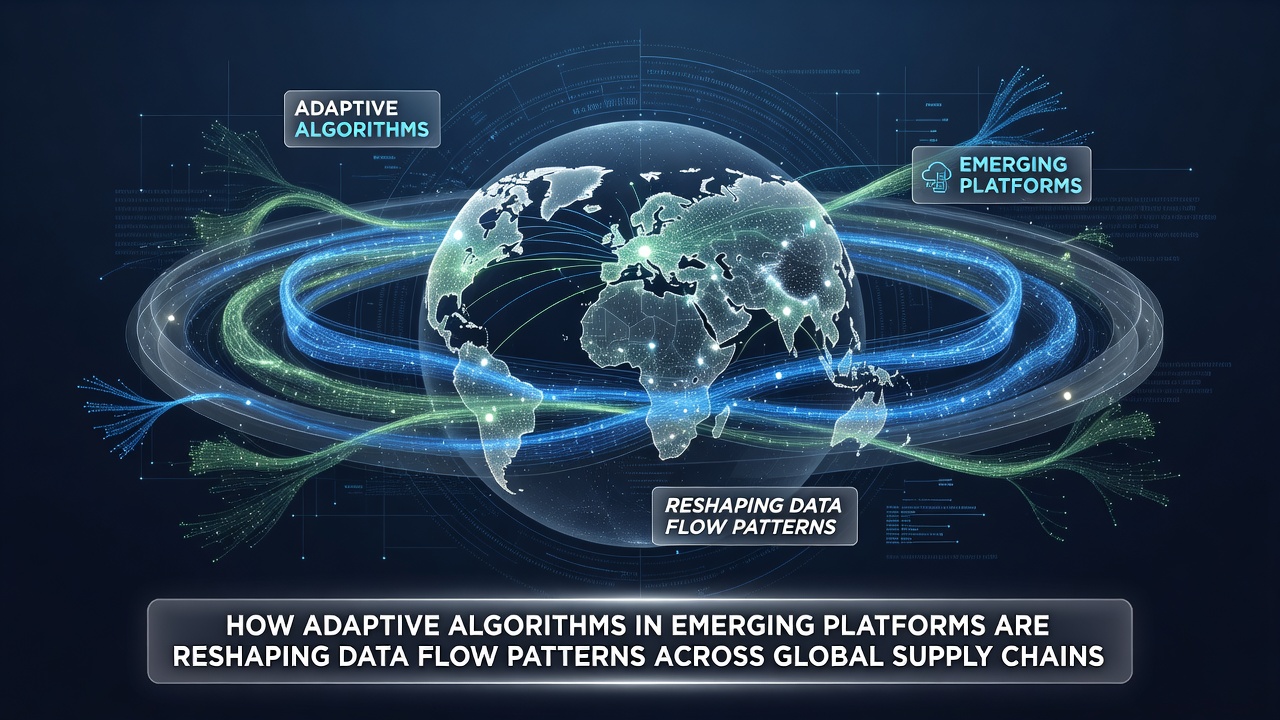
Edge computing nodes deployed near manufacturing sites further accelerate the process by running lightweight versions of the same algorithms locally, which reduces latency and keeps critical decisions operational even during temporary cloud outages. This distributed architecture changes the traditional hub-and-spoke data model into a more resilient mesh where information travels along multiple redundant paths.
Observed Shifts in October 2026 Data Patterns
By October 2026, platform operators reported measurable changes in the volume and velocity of data exchanged across major trade corridors. Shipments tracked through adaptive systems generated 35 percent more granular status updates per hour than comparable routes managed through conventional software, according to aggregated industry telemetry shared at the World Bank’s supply chain resilience forum. These updates include temperature readings from refrigerated containers, vibration data from railcars, and customs clearance probabilities calculated from historical clearance times at specific ports.
One study conducted across Southeast Asian electronics exporters found that adaptive platforms compressed the average time between order placement and production scheduling from 72 hours down to 19 hours, largely because algorithms could pull live capacity data from multiple factories and match it against incoming component shipments without requiring manual intervention. The same research noted that error rates in inventory projections fell by nearly half when platforms incorporated satellite-derived traffic and weather inputs.
Regional Variations and Platform Adoption
Adoption rates differ by region because regulatory frameworks and existing infrastructure influence how quickly companies can integrate new platforms. European manufacturers operating under the EU’s digital product passport requirements have incorporated traceability algorithms that automatically log material origins and carbon footprints, which in turn feeds compliance data directly into customs systems. In North America, freight operators have focused more on fuel optimization and driver scheduling modules that adjust routes based on real-time traffic and load-matching data.
Australian agricultural exporters, meanwhile, have connected cold-chain monitoring platforms to predictive models that anticipate spoilage risks during long ocean voyages, allowing early diversion of perishable goods to nearer ports when conditions warrant. These examples illustrate how the same underlying algorithmic techniques produce distinct data-flow outcomes depending on local priorities and constraints.
Impact on Traditional Intermediaries
Freight forwarders and customs brokers have begun embedding their services inside larger adaptive platforms rather than operating as separate data silos. This integration means that once a shipment enters the platform’s ecosystem, status updates, documentation, and payment triggers flow automatically between parties without repeated manual handoffs. Industry reports compiled by the Canadian Supply Chain Council show that participating forwarders reduced administrative processing time by 40 percent after migrating core functions to these shared systems.
Yet some smaller logistics providers continue to maintain parallel legacy systems for clients who prefer not to share detailed operational data with centralized platforms, creating hybrid environments where information still moves through both automated and manual channels.
Conclusion
Adaptive algorithms embedded in emerging supply chain platforms have demonstrably altered the speed, granularity, and directionality of data movement across global networks. Evidence from multiple regions and sectors indicates that these systems generate more frequent updates, enable faster rerouting decisions, and integrate previously separate data streams from sensors, regulators, and trading partners. As October 2026 data continues to accumulate, researchers and platform operators alike track how these patterns evolve in response to new regulatory requirements and infrastructure investments.